Take Shorter Showers
One of the easiest ways to use less hot water is to cut back your shower times. Set a timer and challenge yourself to finish washing in under 5 minutes. You’ll reduce water waste without noticing much difference in your daily routine. To maximise savings, install a low-flow showerhead that maintains pressure while using a fraction of the water.
Insulate Your Water Heater
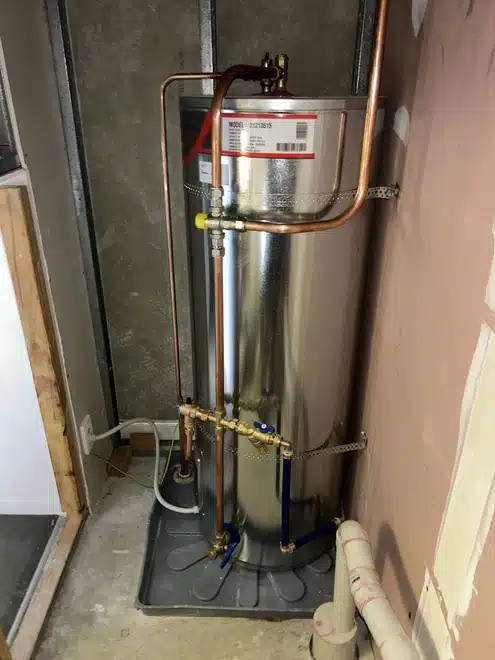
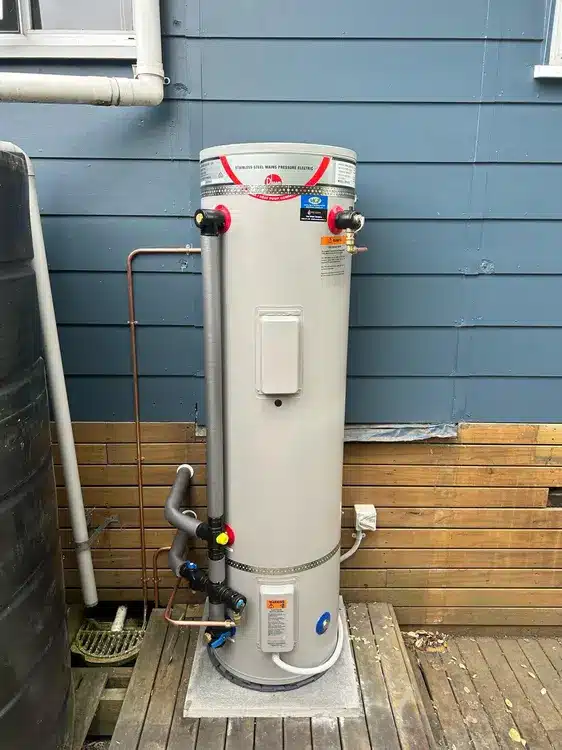
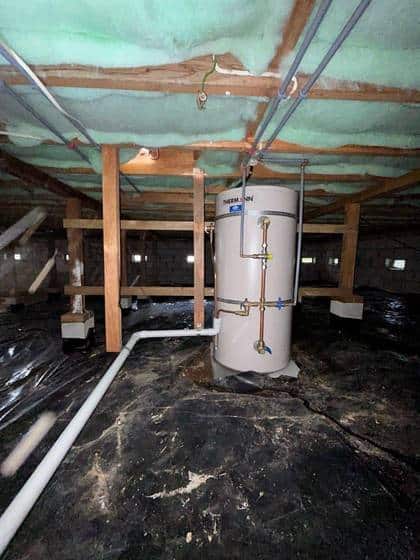
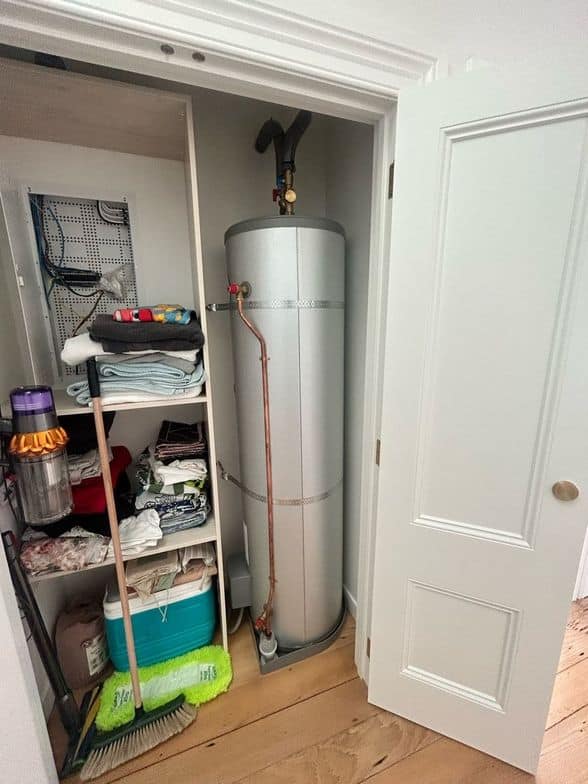
A large amount of heat loss happens through an uninsulated or poorly insulated hot water tank. Simply wrapping your tank with an insulation blanket can save hundreds of dollars per year by preventing standby heat dissipation. This keeps more warm water on reserve for when you need it. Be sure not to cover the thermostat or burner compartment on gas water heaters.
Lower the Temperature Setting
An extremely effective yet overlooked way to save is by lowering your water heater’s temperature setting. Most heaters are set much hotter than necessary, often to 54°C or above. Try gradually decreasing in increments of 3°C at a time until a comfortable temperature is reached. Many people find that 49°C offers substantial energy savings without being noticeable during everyday use.
Take “Navy” Showers
This old military trick involves wetting down and turning off the water during soaping and scrubbing. Then, turn it back on for a final rinse. Not only do navy showers reduce hot water consumption, but they can engrain good water conservation habits over time. Install individual meters in shared houses so costs reflect actual usage.
Reuse Cooking Water
Rather than letting nutrient-rich potato, pasta, or vegetable water spiral down the drain, repurpose it for plant watering or other household uses that don’t require potable water. This free “greywater” capture puts good thermal energy to work rather than sending it to the wastewater facility for treatment.
Insulate Pipes
Make easy DIY pipe insulation wraps using old towels or bubble wrap stapled around exposed hot water pipes. This keeps heat loss to a minimum as water travels to fixtures, allowing less reheating to reach target temperatures. Insulated pipes also reduce annoying drips from pipe condensation.
Take “Navy” Baths
For a relaxing soak that minimises waste, plug the drain before turning on bath water. Adjust to a comfortable depth, then turn off the tap. After bathing, save remaining clean water in buckets for toilet flushing or garden irrigation rather than pulling the plug right away. Reuse bath towels multiple times between washes for added savings.
Install Heat Traps
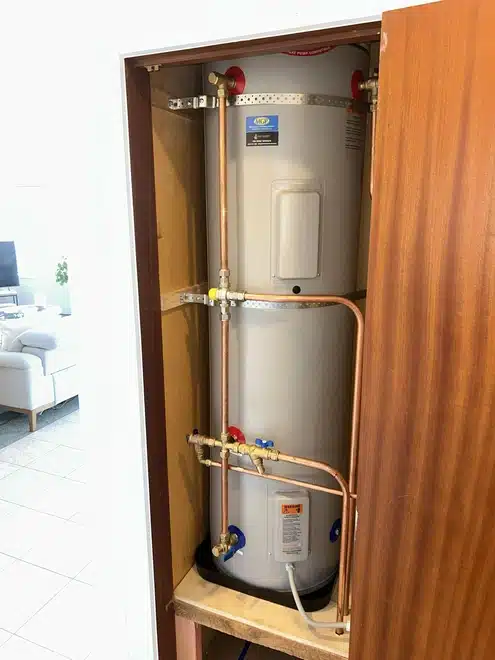
Non-return valves and heat traps prevent hot water from migrating back down the cold line, making your heater work nonstop. A professional plumber can outfit pipes with these special fittings to conserve heat within the tank. Preventative maintenance helps water heaters operate more efficiently over time.
Use Appliances Strategically
Run dishwashers only when fully loaded and use economy cycles whenever possible. Wash laundry in cold water instead of hot for most loads, reserving hot water for sheets, towels, and greasy items only. Finally, limit garbage disposal uses by composting food waste instead. Your appliances will require less energy for water heating.
Choose Solar Where Possible
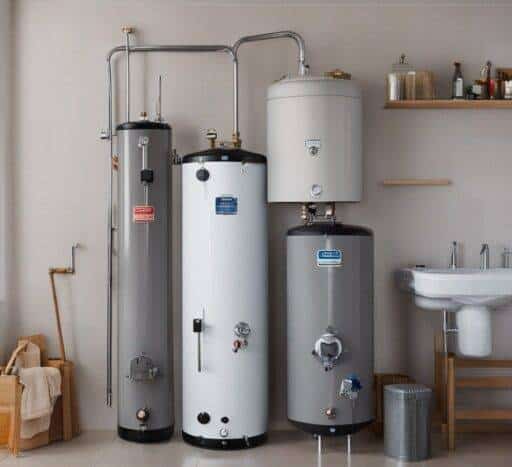
For new construction or water heater replacement, consider upgrading to an efficient solar water heating system. Solar collectors harness the sun’s renewable energy to preheat water entering the tank, which lowers demand on electric or gas heating elements. Though solar has a higher upfront cost, it saves substantially over time by exploiting nature’s free fuel.
Install Heat Pumps
Heat pump water heaters work similarly to air conditioners in reverse, using electricity to transfer ambient warmth from surrounding air to the stored water. Their superior efficiency earns energy star ratings. Consult a professional to see if a heat pump model is right for your household.
Final Words
By getting creative instead of continuing wasteful hot water habits, Auckland families can achieve reasonable conservation without sacrifice. Browse through our blogs to learn more ways we can help reduce your monthly utility costs through smarter technology and service upgrades. Small adjustments add up to big savings over time – let’s work together design an efficient system for your home.