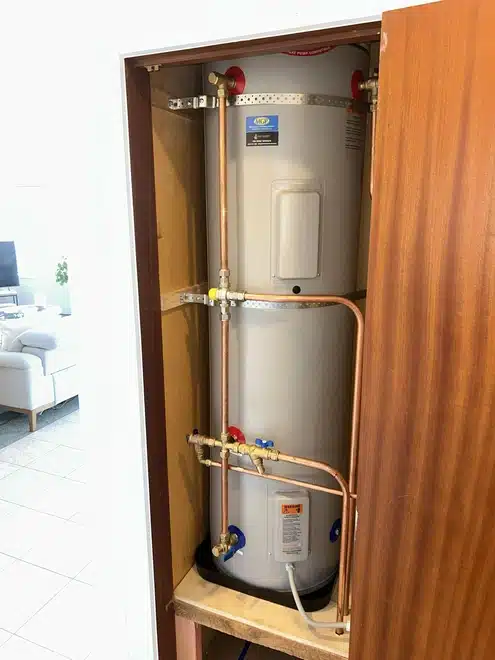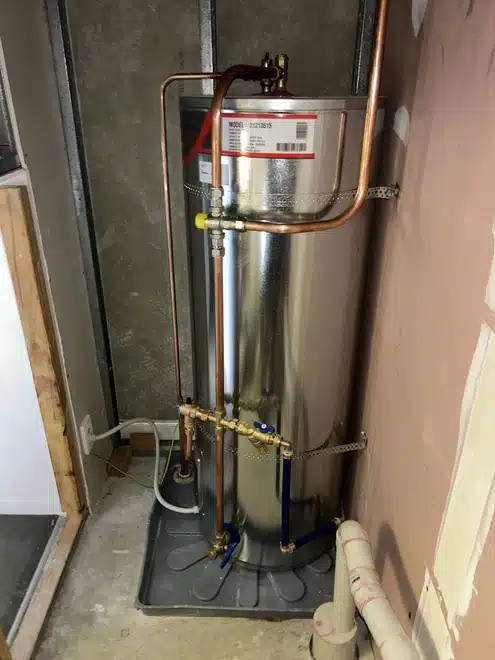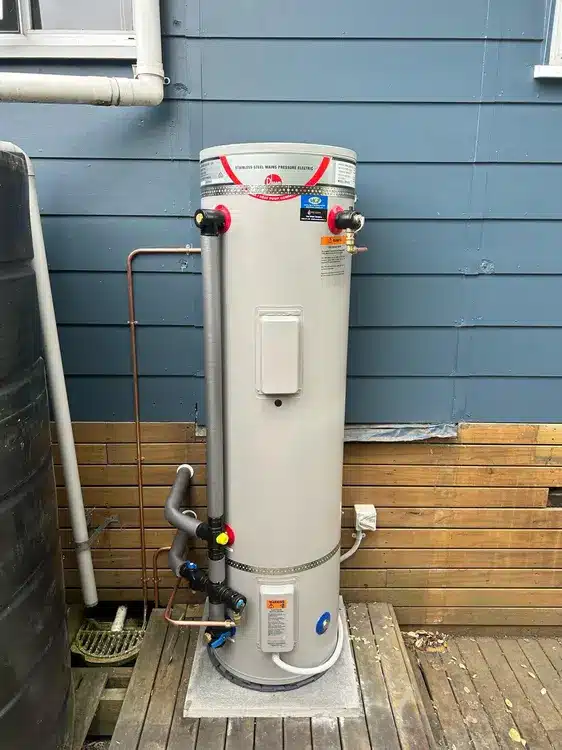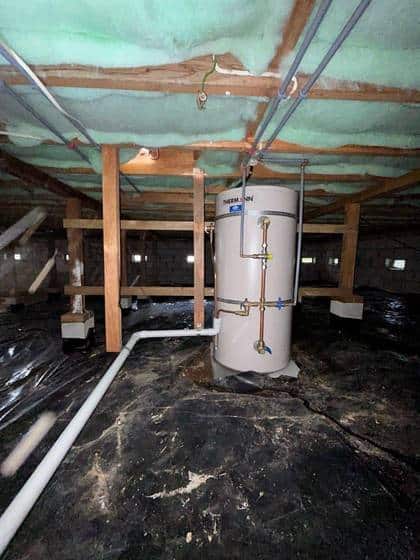
What Is a Hot Water Cylinder Overflow Pipe?
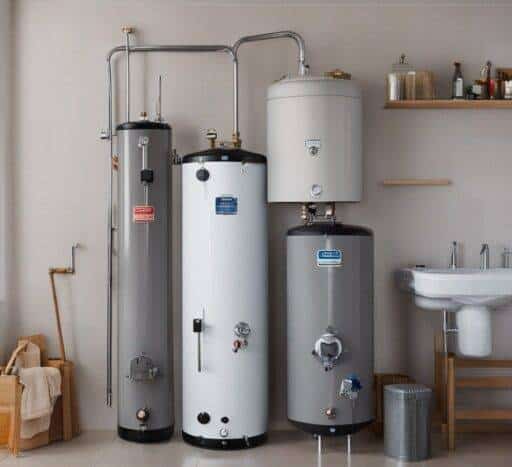
A hot water cylinder, sometimes called a hot water tank, stores heated water for use in your home. The overflow pipe serves as a crucial safety mechanism that allows excess water to drain away, preventing the cylinder from overflowing if too much water builds up inside.
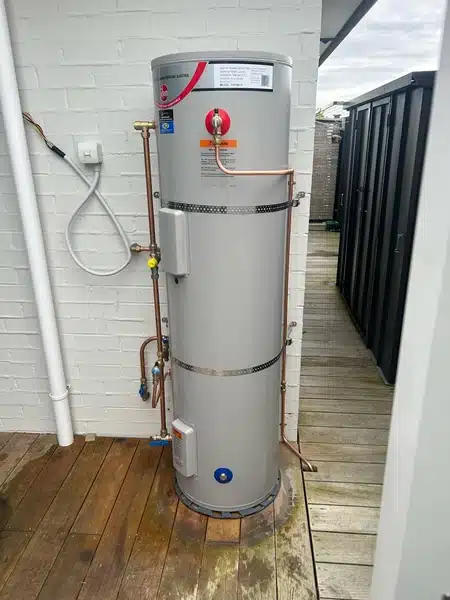
This drain pipe is usually made of PVC plastic and extends from the top of the hot water cylinder along the wall or floor to a safe drainage point. It may lead outside or connect to a drain inside your home. The overflow outlet typically sits a few inches below the inlet to the tank, which shuts off the water supply if the water level gets too high.
Why Is My Overflow Pipe Leaking?
There are a few common reasons why water may be seen dripping or flowing from your hot water cylinder overflow pipe when the cylinder is full:
Worn or cracked overflow pipe
An overflow pipe may develop cracks or leaks over time simply from age and prolonged heat exposure. Plastic pipes also tend to warp or sag when exposed to consistent elevated temperatures.
Blocked or kinked pipe
Debris, dirt, and mineral deposits can gradually build up inside the overflow pipe, obstructing water flow. Or the pipe may get kinked or bent, preventing proper drainage.
Excess pressure in the cylinder
Faulty valves or improper water pressure regulation can cause excessive pressure to accumulate inside the hot water cylinder. This forces water out through the overflow outlet.
Corroded or damaged cylinder
Internal corrosion or accumulated mineral deposits may allow water to leak through small holes in an older, failing hot water cylinder. This escaping water then drains through the overflow pipe.
Thermostat failure
If the control thermostat fails, the heating element may continue heating the water past the cylinder’s safe limit. The expanding hot water then has nowhere to go but out the overflow pipe.
How to Fix a Leaking Overflow Pipe
If you notice water dripping from the hot water cylinder overflow pipe, try these troubleshooting tips:
Inspect the entire visible portion of the drain pipe for cracks or holes. Replace it if necessary.
Check for kinks and bends that may obstruct water flow and correct as needed.
Test water pressure – excess pressure may indicate issues with valves or regulation.
Have a professional inspect the cylinder for corrosion damage or leaks.
Make sure the heating element shuts off past a certain temperature via the thermostat control. Replace faulty thermostats.
Drain and flush the hot water cylinder annually to prevent internal sediment buildup.
Installing a tray with a drain connection underneath the hot water cylinder may also help minimize water damage if small leaks develop. But the overflow pipe itself still needs regular inspection and maintenance. Calling a plumber for persistent hot water cylinder leaks can help identify and permanently resolve the underlying issue.
Final Words
Catching and repairing a leaking hot water cylinder overflow pipe early is important to prevent water damage and mold growth in your home. While an overflow leak usually indicates a bigger problem, the repairs themselves are typically straightforward. Pay attention for signs of obstruction, age deterioration, excessive pressure, or component failure prompting water to escape through the overflow outlet. With some diligent troubleshooting and maintenance, you can stop annoying cylinder overflow pipe leaks in their tracks.